

David Hughes Orthodontics explains the flexible and discreet approach to adult orthodontic treatment.
Quick Answer
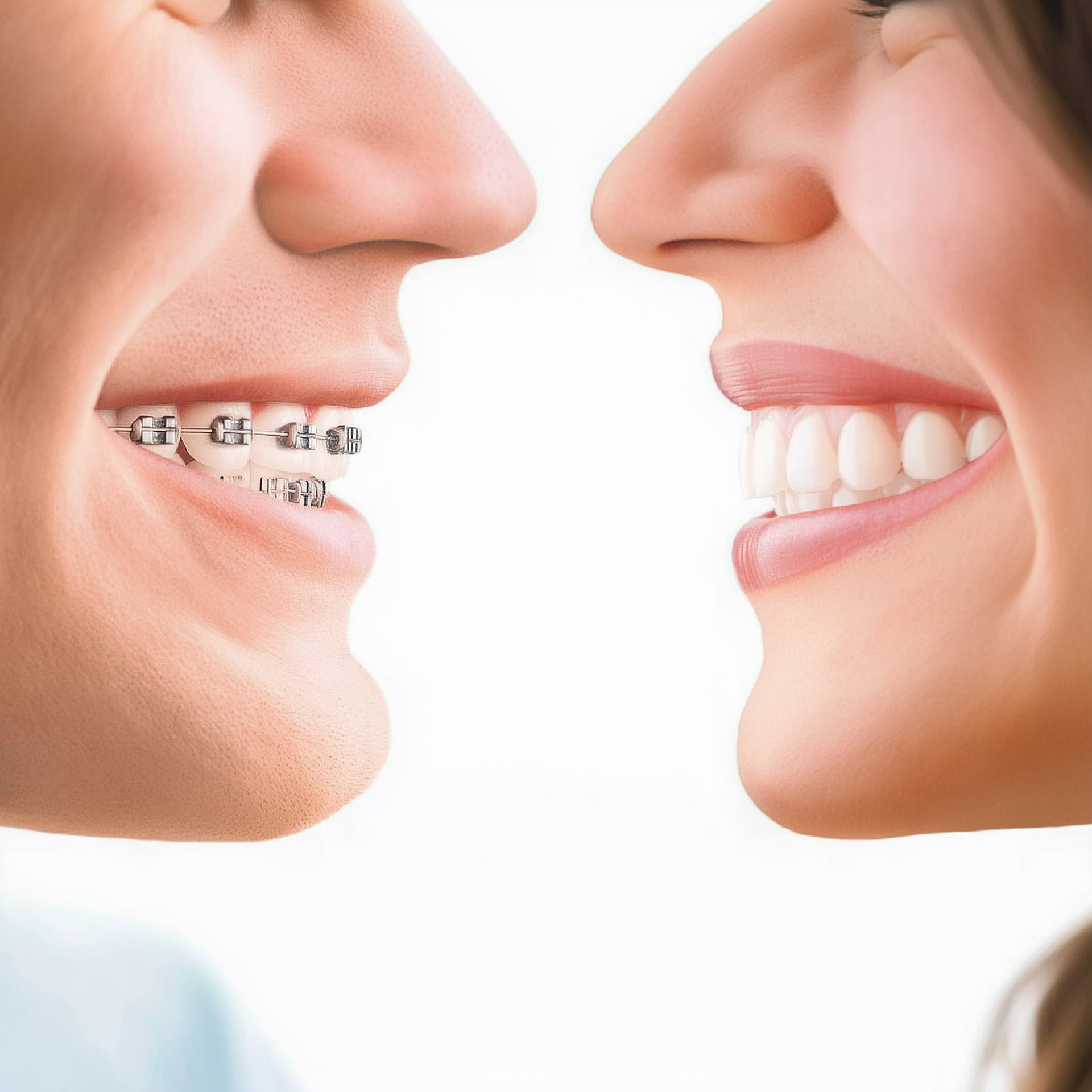
More adults are choosing clear aligners because the trays straighten teeth without drawing attention to treatment. According to the American Association of Orthodontists (AAO), one in three orthodontic patients today is over the age of 18. Clear aligners are nearly invisible, can be removed for meals and brushing, and fit easily around work, video calls, and social events. Age itself is not a barrier. As long as the teeth, gums, and supporting bone are healthy, adults in their 30s, 50s, and beyond can straighten their teeth with aligners supervised by an orthodontist.
Key Takeaways
- One in three orthodontic patients is now an adult, according to the AAO, so adult treatment is common rather than unusual.
- Aligners appeal to adults because they are discreet, removable, comfortable, and easy to keep clean.
- There is no upper age limit. Healthy teeth, gums, and bone matter far more than the number on your birthday.
- Plan on wearing aligners 20 to 22 hours a day. Consistent wear is the biggest factor in finishing on time.
- Some complex bite problems still respond more predictably to braces, which is why treatment should start with an orthodontist's evaluation.
You notice it on video calls, in vacation photos, and in the mirror while you brush. Maybe your teeth were straight years ago and drifted after a retainer went missing in college. Maybe braces never happened at all.
Whatever the backstory, you are in good company. At David Hughes Orthodontics, Dr. David Hughes and Dr. Lana Le are both board-certified by the American Board of Orthodontics (ABO), with more than 37 years of combined specialty experience caring for patients of every age.
Adult orthodontic treatment has quietly become normal, and clear aligners are a big reason why. Here is what changed, and how to tell whether aligners belong in your own plans.
What Are Clear Aligners and How Do They Work?
Clear aligners are a series of thin, transparent plastic trays that move teeth in small, planned steps. Each tray is custom-made from a digital model of your mouth, worn for a set period, then swapped for the next one in the series.
In our practice, clear aligner treatment starts with a comfortable digital scan instead of traditional impressions. Advanced software then maps the full sequence of tooth movements before your first tray is ever made.
Why Are Adults Choosing Aligners in Record Numbers?
The short answer: aligners removed the trade-off that kept many adults away from orthodontics. You no longer have to wear your treatment on the outside to get a straighter smile.
For many adults, the goal is simple smile confidence in interviews, weddings, and everyday photos. Four qualities come up again and again when adults explain the choice.
Discreet. The trays are nearly invisible at conversation distance, on camera, and in photos.
Removable. Aligners come out for meals and coffee, so no food is off the menu during treatment.
Comfortable. Smooth plastic means no brackets or wires against your cheeks and lips.
Cleanable. Because the trays come out, you brush and floss normally, which helps keep gums healthier while teeth move.
When Is It Too Late to Get Aligners?
There is no age at which aligners stop working. The AAO puts it plainly: whether you are 8 or 80, the biological process that moves teeth through bone is the same.
What matters is health, not the candles on the cake. Teeth, gums, and supporting bone need to be healthy enough for movement, and that is one of the first things we evaluate at a consultation.
Adult teeth can move a little more slowly than teenage teeth because mature bone is denser. That affects the timeline, not the outcome.
What Can Clear Aligners Fix?
Aligners can treat most of the alignment and bite issues adults bring to us, including crowded teeth, gaps, crossbites, open bites, overbites, and underbites.
Some complex tooth movements still respond more predictably to braces, and certain cases finish faster with them.
If you are weighing the options, our guide comparing braces and clear aligners walks through the differences in detail.
How Long Does Adult Aligner Treatment Take?
Treatment length depends on the complexity of the tooth movement, the number of aligners in your series, and how consistently you wear them. Minor shifting may resolve in months, while fuller bite corrections take longer.
The biggest factor you control is wear time. Aligners only work while they are on your teeth, and most plans call for 20 to 22 hours a day.
Removable is a benefit and a responsibility in the same breath. Adults who treat wear time like a standing meeting tend to finish on schedule.
How Do Aligners Fit a Busy Northern Virginia Schedule?
Quietly. That is rather the point.
Aligner checkups are typically shorter and less frequent than braces adjustments, with no broken brackets to rush in and repair. Our West Springfield office opens at 7:45 am Monday through Thursday, so many patients visit before catching the Blue Line at Franconia-Springfield or merging onto I-95.
The trays travel well too, whether your week runs through Fort Belvoir, a downtown office, or back-to-back video calls at home. If a trip is on the calendar, we have covered traveling with clear aligners on our blog.
Why Families Choose David Hughes Orthodontics
- Two board-certified doctors. Dr. Hughes and Dr. Le are both board-certified by the ABO, a voluntary step beyond licensure that not every orthodontist completes.
- More than 37 years of combined specialty experience. Adult cases benefit from doctors who have seen a wide range of bites, dental work, and treatment histories.
- Digital scans, not goopy impressions. Your aligner journey starts with a quick, comfortable scan of your teeth.
- Early appointments for working adults. Doors open at 7:45 am Monday through Thursday, so treatment does not have to compete with your job.
- Aligners and braces under one roof. Because we offer both options, we can help you choose the treatment that best fits your smile, lifestyle, and goals, guided by doctors you trust.
- A free consultation with a real answer. You leave your first visit knowing whether braces or aligners fit your case, what the timeline looks like, and what it will cost.
Frequently Asked Questions
How many hours a day do adults need to wear aligners?
Most treatment plans call for 20 to 22 hours of wear each day. Aligners should come out only for eating, drinking anything other than water, brushing, and flossing. Consistent wear is the biggest factor in staying on schedule, since aligners only move teeth while they are on them.
Does dental insurance cover clear aligners for adults?
Often, yes. According to the AAO, dental plans that include orthodontic coverage usually cover clear aligners and traditional braces equally. Every plan is different, so our team reviews your benefits at your consultation, and flexible financing options can help with any remaining balance.
Will clear aligners affect my speech?
Some people notice a slight lisp during the first few days as the tongue adjusts to the trays. For most adults it fades quickly with normal talking, and coworkers rarely notice anything at all.
Can I get aligners if I had braces as a kid?
Yes. Teeth often drift years after earlier treatment, especially once a retainer is lost or retired. Aligners are often a good fit for this kind of shifting, since the movements are usually smaller than in a first round of treatment. A consultation will confirm what your smile needs now.
Sources
- American Association of Orthodontists. "1 in 3 Orthodontic Patients is an Adult: Why Adult Braces Are Trending." https://aaoinfo.org/blog/number-of-adults-seeing-an-orthodontist-is-at-an-all-time-high/
- American Association of Orthodontists. "Clear Aligners: Discreet Ways to Straighten Teeth." https://aaoinfo.org/treatments/aligners/
- American Association of Orthodontists. "How Old Is Too Old For Braces? Rediscover Your Smile At Any Age." https://aaoinfo.org/whats-trending/am-i-too-old-for-orthodontic-treatment/
- American Dental Association (ADA), MouthHealthy. "Orthodontics." https://www.mouthhealthy.org/all-topics-a-z/orthodontics
About the Author
This article provides general educational information about orthodontic treatment and is not a substitute for professional advice, diagnosis, or treatment. Every smile is different, and only an in-person examination by a qualified orthodontist can determine whether clear aligners are right for you. Please contact our office or your dental provider with questions about your individual needs.